How Much Are My Pokémon Cards Worth? A Honest 2025 Guide
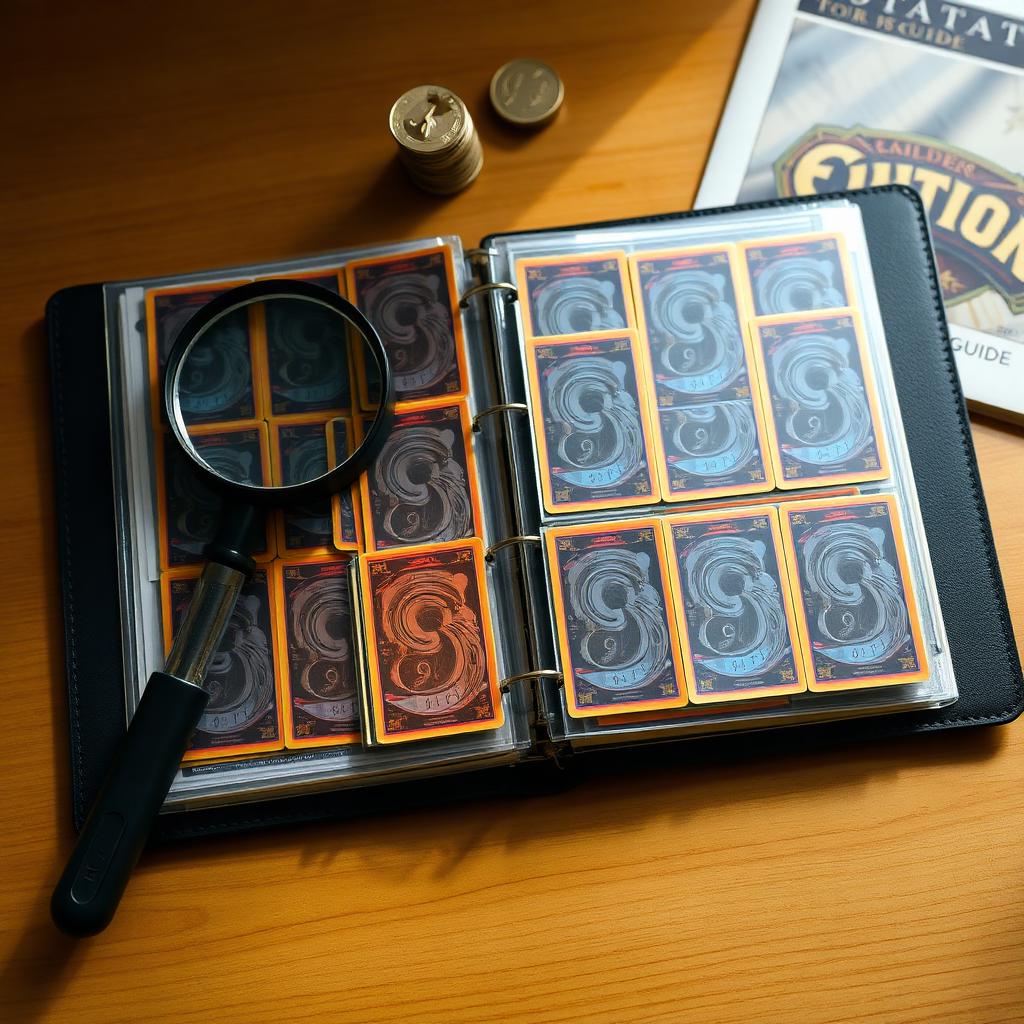
What separates a $5 binder card from a $500 one, how to check live prices without being fooled by listing noise, and the valuation mistakes that cost collectors real money.
Start with the question behind the question
When someone asks "what is this card worth?", they usually mean one of three things:
- What would a dealer pay me cash for this today?
- What would I get on a peer-to-peer sale this week?
- What would a graded copy sell for at auction?
Those are three different numbers, and they can differ by 5x or more for the same card. Always know which one you're asking for.
The five things that actually drive value
- The card itself — set, rarity, character, artwork.
- Edition and print run — first edition, shadowless, unlimited, promo stamps.
- Condition — the gap between Near Mint and Lightly Played is bigger than most people think.
- Liquidity — is anyone actively buying this card, or is it just listed?
- Population at grade — for graded cards, the PSA/CGC pop report rewrites the math.
How to actually check a price
Look at sold listings, not asking prices. Aim for at least three sold comparables within the last 60 days. If you can't find them, the card is either too rare to comp easily or not actually liquid at the price you're hoping for.
For modern cards, real-time floor prices like the ones we surface on Pokemon.FM Cards tend to be more useful than 30-day averages, because the modern market can move 20% in two weeks.
The four mistakes that cost people money
- Trusting "estimated value" badges. They're usually anchored to the highest recent sale, not the average.
- Pricing off a single PSA 10 sale. A single outlier doesn't make a market.
- Ignoring condition. "Near Mint" means something specific. A card with whitening on one corner isn't NM.
- Assuming all first-edition stamps are equal. Some are worth multiples of unlimited. Some aren't.
A simple workflow
- Identify the card (set symbol, number, edition mark).
- Honestly grade the condition.
- Find three recent sold comparables in similar condition.
- Discount slightly for fees and shipping if you're selling, or add slightly if you're buying.
That's the whole thing. Anything more complicated is usually someone trying to talk you into a price.