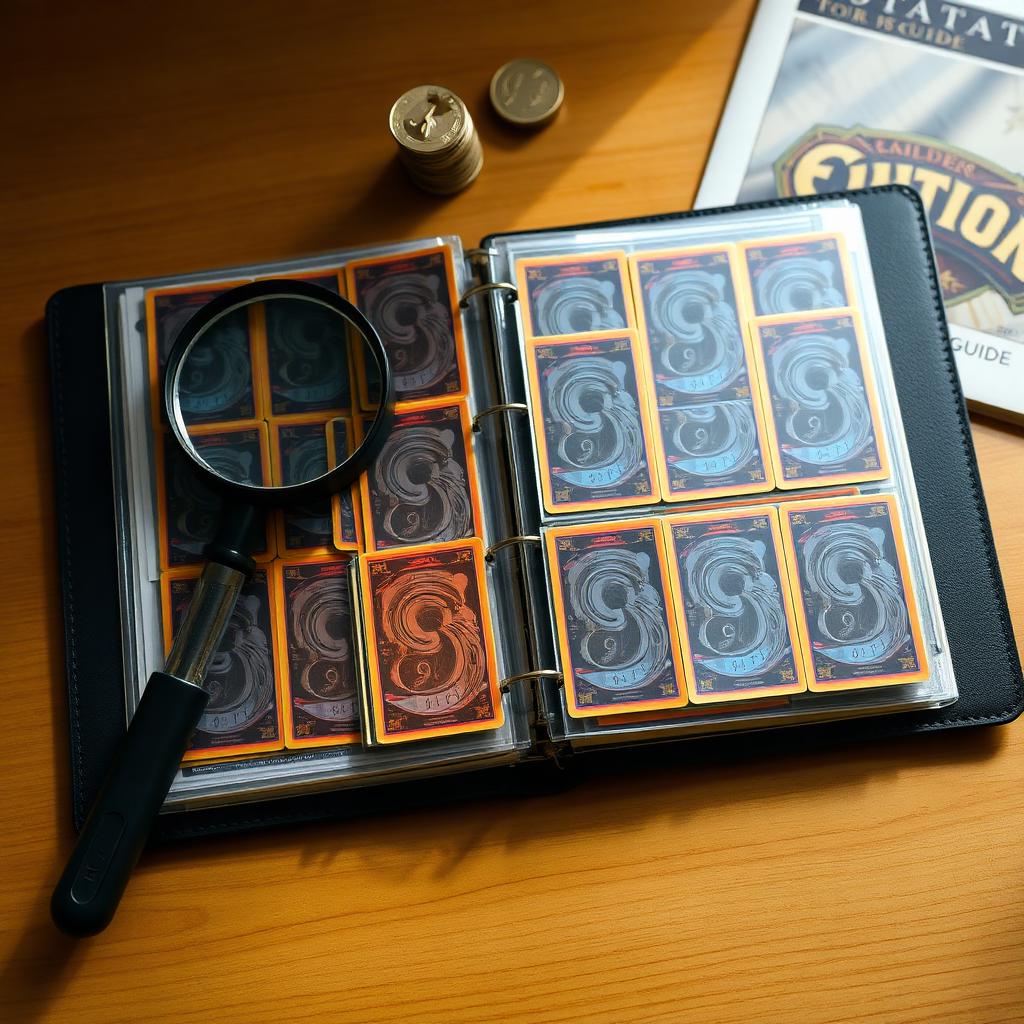
How to Spot a Fake Pokémon Card in 60 Seconds
Counterfeits keep getting better. A short, practical checklist for telling real from fake without expensive tools — at home, at a card show, or on the floor at a meetup.
The fakes are better than they used to be
Older counterfeits were obvious: wrong fonts, blurry art, off-color borders. Modern counterfeits are not. The best current production runs get close enough that you genuinely need to check a few specific things to be confident.
The good news: those things are quick to check. You don't need a loupe and a UV light for most situations.
The 60-second checklist
-
Light test. Hold the card up to a bright light. A real Pokémon card has a thin black layer sandwiched between the front and back card stock. You'll see a faint dark line at the edge and the card will block almost all light. Most fakes pass too much light through.
-
Texture. Run a fingernail across the energy symbols and Pokémon name. Modern cards have a subtle but consistent texture in those areas. Many fakes are completely flat or have inconsistent texture.
-
Weight and stiffness. Genuine cards have a specific feel — slightly stiffer than printer paper, with a clean snap when flexed gently. Fakes are usually too floppy or too rigid.
-
Back-side blue. Compare the back of the suspect card to a card you know is real. The Pokémon back uses a specific blue. Counterfeits drift purple, drift green, or print at the wrong saturation.
-
HP and damage text alignment. Counterfeits often misalign the HP number, the energy cost symbols, or the small print at the bottom. Real cards are pixel-consistent within a print run.
-
Set symbol clarity. The bottom-right set symbol should be crisp. Fakes blur it because they're working from a low-resolution scan.
The edge cases that fool people
- Proxy and "for play" cards sold openly aren't trying to be real, but get mistaken for fakes. The light test usually exposes them instantly.
- Reprints are real cards that look identical to older prints. Check the year, copyright text, and set symbol — a reprint isn't a fake, but it isn't the version someone thinks they're buying.
- High-end fakes from established counterfeit shops can pass several of the above tests. For cards above a few hundred dollars, third-party authentication is the right call. PSA, CGC, and BGS all authenticate as part of grading.
When in doubt, walk away
The cheapest mistake in collecting is paying for a fake. The second-cheapest is buying a real card you didn't actually want. Both come from rushing the inspection. Spend the full 60 seconds.